Beyond Barley Brewing – BeerSmith Podcast #13
Tweet This week I interview popular brewing author Randy Mosher and veteran brewer Dan Listermann about brewing with grains other […]
Tweet This week I interview popular brewing author Randy Mosher and veteran brewer Dan Listermann about brewing with grains other […]
Tweet Old Ale is a English beer with a dark, malty profile also called “Winter Warmers”, “Stock ale”, “Keeping Ale”
Tweet A hydrometer is one of the simplest tools a home brewers has at their disposal, but also an important
Tweet Just in time for St Patrick’s day, John Palmer is back as my guest and we go into depth
Tweet From half a world away in Australia, Patrick Hollingdale is my guest for this week’s episode. We talk about
Tweet This week marks the third anniversary of the BeerSmith blog, which started on 14 Feb 2008. I thought I
Tweet Dr Glenn Tinseth, the author of the Tinseth equation for estimating bitterness is my guest this week. The Tinseth
Tweet This week, I take a look at calories in your home brewed beer, how to calculate them and where
Tweet This week I feature a trio of brewers with expertise in historic brewing techniques – including Chris Bowen, Dan
Tweet German Rauchbier or smoked beer is a distinctively smoke flavored beer made from barley malt dried over an open
Tweet This week I feature Scott Hettig, the Brewmaster at St Francis brewery and George Bluvas the Brewmaster at Water
Tweet This week, I take a look at how to calculate the appropriate starter size for home brewing beer with
Tweet Gordon Strong, the President of the BJCP is my guest this week. He is the world’s only Grand Master
Tweet Most brewers understand that yeast starters are important for making your beer. If you pitch the proper quantity of
Tweet This week we focus on getting more than one beer from a single batch in a round table discussion
Tweet I relaunched the BrewPoll Home Brewing and Craft Beer News site after a major overhaul of the site this
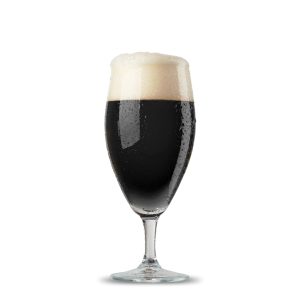
Tweet Schwarzbier (which means “black beer”) is a dark lager from Germany that has its origins in the middle ages.
Tweet This week I talk with John Palmer, author of “How to Brew” which is the top selling Home Brewing
 24.60k


 18.40k

 18.30k